From Liverpool to Pretoria: Advancing One Health approaches to bat surveillance
March 5, 2026

March 5, 2026
Dr Tessa Prince, one of The Pandemic Institute’s (TPI) funded strategic posts and member of our Internal Scientific Advisory Panel, reflects on her recent participation in a UK–South Africa workshop focused on preventing zoonotic spillover of pandemic-prone respiratory viruses.
I was recently invited to attend the SAMRC–UKRI workshop on a “One Health approach to the prevention of spillover of pandemic-prone respiratory pathogens”, held at the Future Africa Campus in Pretoria, South Africa. As a researcher studying Middle East respiratory syndrome (MERS), a coronavirus with likely ancestral origins in bats, the opportunity to learn more about wildlife viral surveillance, particularly in low- and middle-income settings, was both timely and highly relevant to my work.
The workshop was led by Professor Wanda Markotter, Director of the Centre for Viral Zoonoses at the University of Pretoria, and brought together colleagues from the University of Liverpool, the University of Edinburgh, the UK’s Animal and Plant Health Agency (APHA), and partners from Zambia and Mozambique. The breadth of expertise in the room, from field ecology and taxonomy to laboratory diagnostics and mathematical modelling, reflected the truly interdisciplinary nature of One Health research.
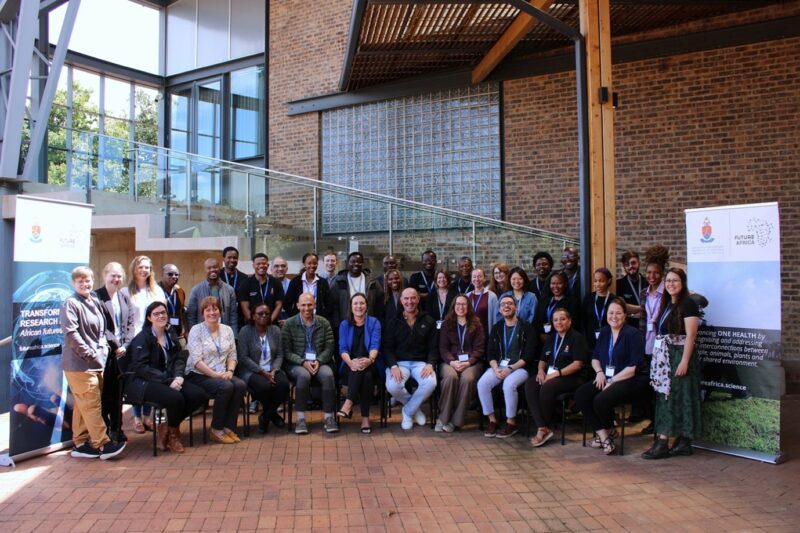
The first day focused on developing a practical framework for studying zoonotic spillover through a One Health lens, with particular attention to climate drivers and capacity building. Delegates shared valuable insights from their human behaviour studies, including challenges in community engagement, recruitment of local field teams, and the logistical realities of working in rural regions with limited infrastructure. These candid discussions grounded the theoretical framework in real-world constraints.
The afternoon consisted of two interactive exercises. In the first, delegates selected a fictional surveillance site and outlined how they would implement a One Health study, considering potential practical, social, and regulatory challenges. Each group presented its approach, prompting discussion on One Health principles and the drivers of spillover that should be examined. The second exercise was a Jenga-style simulation in which participants allocated limited resources to sectors such as research, NGOs, government, and industry under different governance models (e.g. dictatorship or democracy). Outcomes varied depending on leadership style and resource allocation decisions. These sessions highlighted the importance of integrating ecological, veterinary, medical and social science perspectives from the outset.
 Fieldwork, Biosafety and Taxonomy
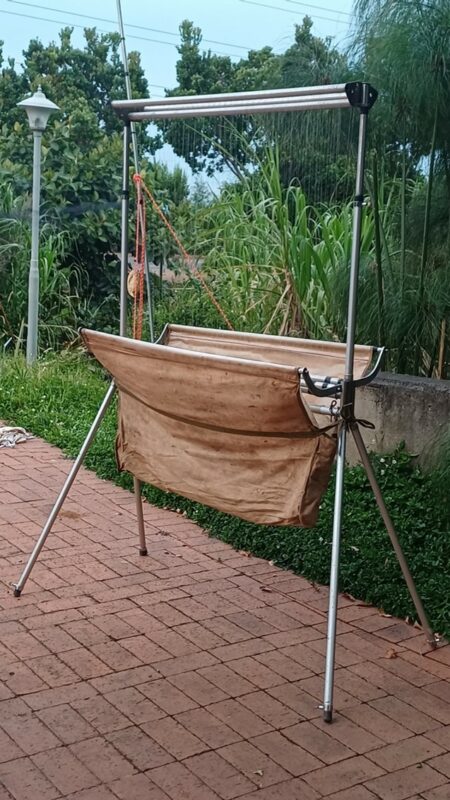
Day two turned to operational considerations. Discussions covered biosafety and biosecurity for field researchers, animal welfare, and humane capture methods. Participants examined the structural barriers to establishing effective surveillance systems in resource-limited settings, including weak laboratory capacity, limited cross-sector coordination, and socio-cultural challenges in community engagement.
A particularly thought-provoking session addressed bat taxonomy. With rapid advances in genomics revealing numerous cryptic species, accurate identification increasingly requires both molecular tools and physical specimen collection. This has direct implications for surveillance, as viral susceptibility can vary significantly between closely related species.
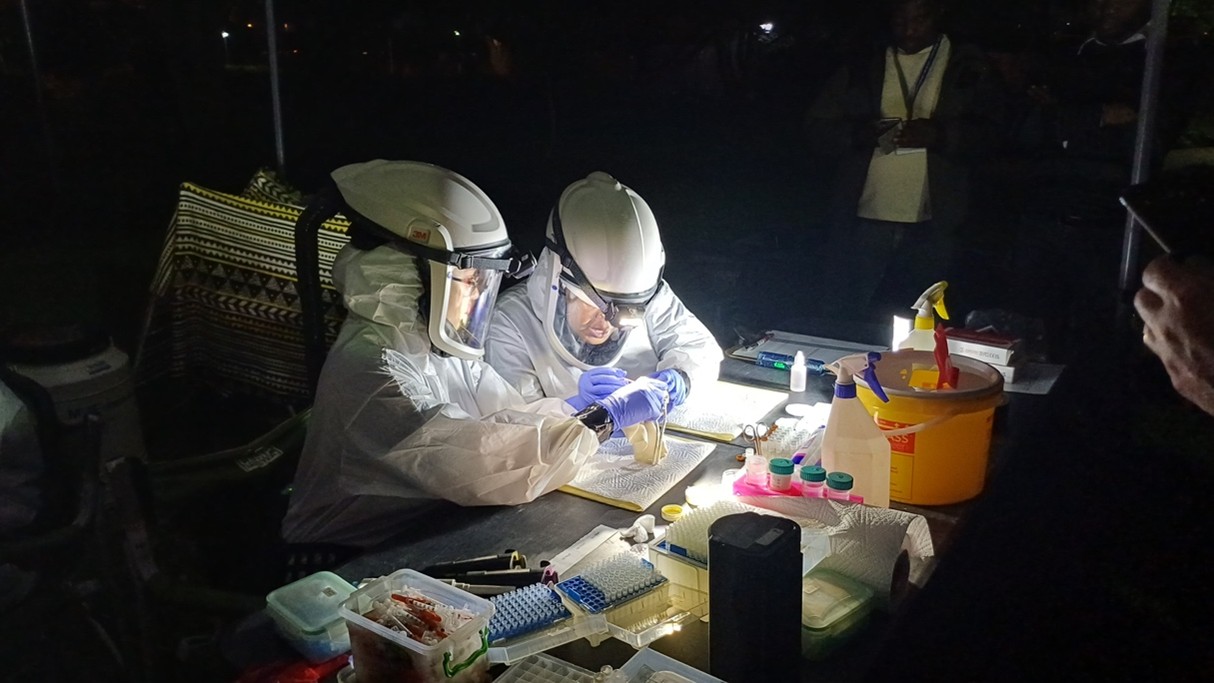
That evening, the South African team demonstrated their field sampling protocols outdoors. Fully equipped in personal protective equipment, they walked delegates through bat capture techniques, echolocation monitoring, species identification (including tattooing and morphometric measurements), and sample collection. They also demonstrated how serum and oral/faecal swabs are rendered safe for downstream analysis in biosafety level 2 laboratories using heat and chemical inactivation.
The third day began with an introduction to the SABREnet (South African Bat Research Network) database and a broader discussion on data management and cross-border data sharing. Delegates explored both technical and ethical considerations in storing and integrating wildlife surveillance data across countries.
We then examined serological surveillance strategies, including the South African use of a multiplex BioPlex platform capable of detecting antibodies against 38 viral antigens. APHA colleagues shared perspectives on laboratory quality control, inter-laboratory comparisons, Next Generation Sequencing and bioinformatics training and lessons learned from long-standing influenza surveillance programmes in the UK.
Dr Emily Nixon (TPI ISAP member, University of Liverpool) and Daisy Bengey (PhD student, Department of Mathematics, University of Liverpool) concluded the formal sessions with presentations on infectious disease modelling within a One Health framework. Their talks illustrated how modelling can help prioritise sampling strategies, identify knowledge gaps, and inform policy-relevant decision-making.
Museums, Biobanks and the Bigger Picture
The final day provided valuable context beyond the conference setting. Delegates visited the Ditsong Museum in Pretoria to learn about specimen archiving and the long-term importance of museum collections in species identification and taxonomic verification. The visit reinforced the value of depositing well-characterised specimens to support future research as classification systems evolve.
A subsequent tour of the Centre for Viral Zoonoses laboratories offered insight into their biobanking systems, serology platforms and containment level 3 facilities (CL3). Discussions comparing CL3 practices across countries highlighted both shared standards and contextual differences in infrastructure, training and regulation.
This workshop provided a comprehensive view of how wildlife surveillance can be embedded within a genuinely integrated One Health framework. It also underscored the practical challenges of delivering high-quality research in resource-limited settings, from infrastructure constraints to community engagement and cross-sector coordination.
For those of us working on emerging coronaviruses, understanding the upstream ecology of potential spillover hosts is essential. Strengthening international partnerships and capacity in wildlife surveillance will be critical to improving early detection and, ultimately, pandemic prevention.
Dr Tessa Prince, one of The Pandemic Institute’s (TPI) funded strategic posts and member of our Internal Scientific Advisory Panel, reflects on her recent participation in a UK–South Africa workshop focused on preventing zoonotic spillover of pandemic-prone respiratory viruses. I was recently invited to attend the SAMRC–UKRI workshop on a “One Health approach to the…
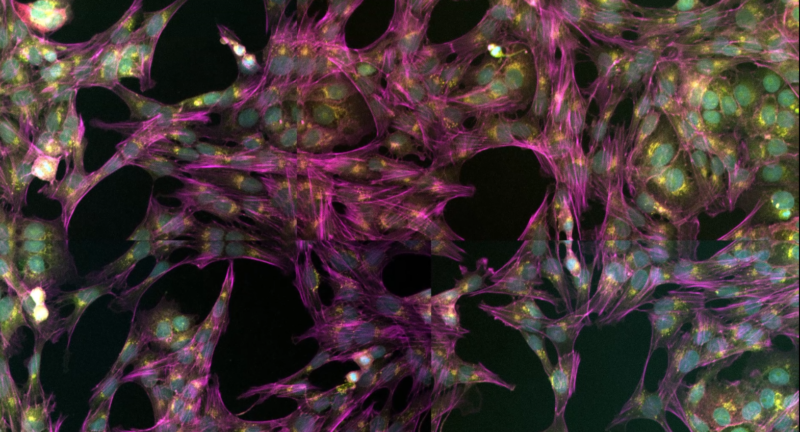
A strategic research post funded by The Pandemic Institute is helping scientists deepen their understanding of some of the world’s most dangerous viruses while strengthening the UK’s preparedness for future pandemics. The post, held by Dr Tessa Prince, focuses on combining artificial intelligence and advanced microscopy to create new ways of studying high-risk viruses. Tessa’s…
Join our mailing list to hear about our latest news, events and funding opportunities.