Study uses wild bird data to map bird flu risk across Europe
February 2, 2026

A study funded through a partnership between The Pandemic Institute and CSL Seqirus has been published in Scientific Reports. The research maps bird flu risk across Europe and, unlike earlier studies that focused mainly on landscape and climate, it also uses information about wild bird populations and how they interact with their environment.
Bird flu, or avian influenza, is a contagious viral disease that circulates naturally among wild birds. Most strains cause only mild illness, but some can evolve into far more dangerous forms. When a strain is classified as Highly Pathogenic Avian Influenza (HPAI), it spreads rapidly among birds and can potentially cause severe disease and high mortality rates.
Since 2021, HPAI outbreaks have devastated wild bird populations across the globe, including in remote areas far from people or farms. Although only tens of thousands of wild bird deaths are officially recorded, multiple well-documented mass die-offs show this is a severe underestimate, meaning the true toll likely reaches into the hundreds of thousands or more, with long-lasting consequences for ecosystems and some species potentially never recovering.
When the virus spreads to domestic poultry it can severely disrupt food supplies, costing farming economies billions of pounds and leading to the culling of millions of birds. Public health experts are also concerned that continued circulation in wild bird populations increases the risk of the virus evolving in ways that could bring pandemic potential to humans or other mammals. Understanding which regions and species are most at risk is therefore critical to protecting wildlife and livestock, and to reducing the likelihood of the virus becoming a potential pandemic in people. The current 2025 European winter outbreak of the H5N1 strain of Highly Pathogenic Avian Influenza is the largest ever recorded, but scientists still do not fully understand why this strain has spread so widely across the globe – even to Antarctica.
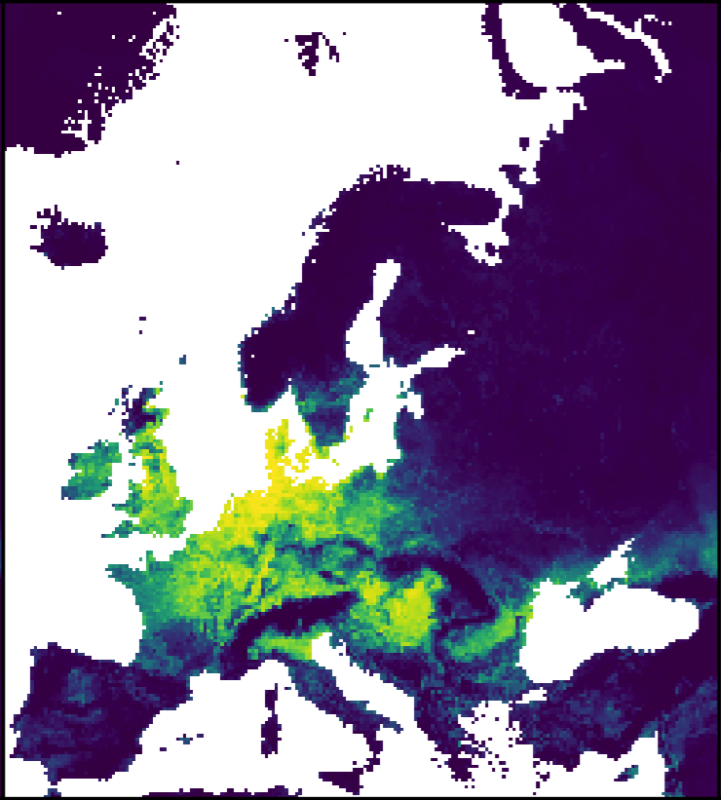
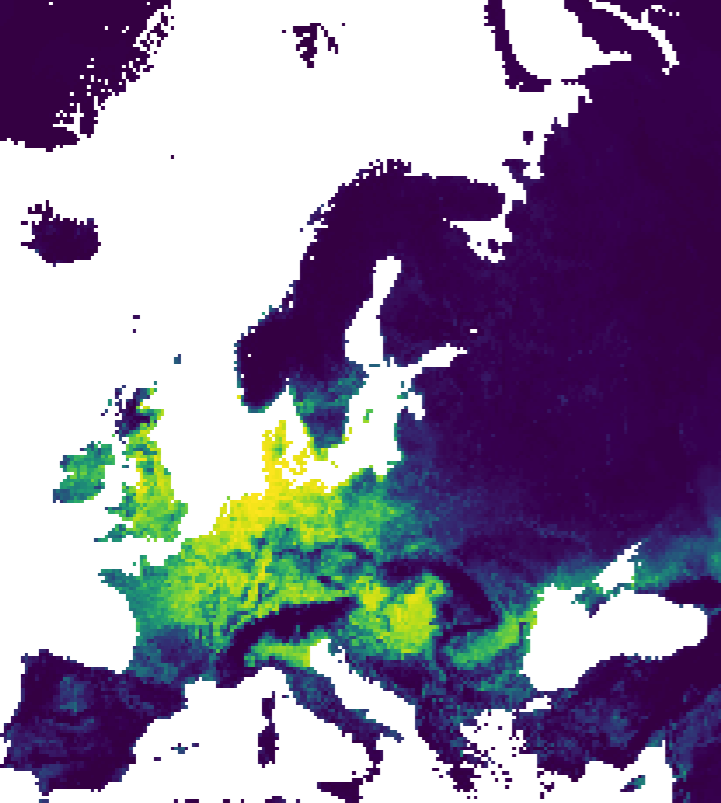
In this study, researchers used advanced computer modelling to map where this strain of bird flu is most likely to occur. These models helped identify the environmental and biological factors linked to outbreaks and were used to predict areas of higher risk across Europe. The analysis also accounted for changes over time, including seasonal changes when birds migrate. Unlike many previous studies that focused mainly on climate and landscape features, the researchers also included information about wild birds, such as the number of species present, how abundant certain types of birds are, and whether those birds have behaviours associated with higher infection risk.
The study indicates that ongoing, year-round bird flu risk is increasingly concentrated in colder, low-lying areas of northwest Europe, driven by the H5N1 strain. While climate and geography explain much of the overall risk, incorporating information about wild bird populations improves understanding and prediction of where outbreaks are most likely to occur.
Author on the study Dr Liam Brierley said:
“Avian influenza is a critically important wildlife disease that is not only destructive for some wild bird populations, but it presents a real threat of future human pandemics. By training computer models on a large amount of environmental and wild bird data, we found reliable patterns that can explain the spatial dynamics of this disease. We hope our work will inform better surveillance targets so we can detect incoming avian influenza and put in protective measures earlier, as we move into what looks like another very harmful outbreak to wild birds.”
The work was carried out as part of a five-year influenza research partnership between The Pandemic Institute and CSL Seqirus – a global leader in influenza prevention. Read more here: The Pandemic Institute and CSL’s Seqirus launch £5m collaboration to prevent flu pandemics – The Pandemic Institute
You can read the full article here: https://www.nature.com/articles/s41598-025-30651-9
Passing the 100-day milestone since the WHO declared the Andes hantavirus outbreak, global health teams are evaluating the speed of the containment effort. The emergency serves as a vital test case for the G7-backed 100 Days Mission, which aims to reduce the impact of future pandemics by making diagnostics, therapeutics and vaccines available within 100…

New research has identified key mutations in the Middle East respiratory syndrome coronavirus (MERS-CoV) that may influence how easily the virus infects cells and evades immune responses, offering important insights for pandemic preparedness. The study, supported by funding from The Pandemic Institute and led by researchers at the University of Liverpool plus colleagues from across…
Join our mailing list to hear about our latest news, events and funding opportunities.