All news articles

Study shows mpox vaccine generates immune response to emerging clade Ib, but protection levels remain unclear

April 15, 2026

A new UK-based study funded by the EU Decipher Mpox consortium and The Pandemic Institute has provided early insights into how well the existing mpox vaccine, MVA-BN, may protect against emerging strains of the virus, offering important evidence to inform future public health responses.

Mpox, caused by the monkeypox virus (MPXV), is a zoonotic disease historically reported in parts of Africa. However, the global outbreak in 2022, driven by the clade IIb strain, highlighted its potential for wider international spread. More recently, a newly identified subclade, clade Ib, first detected in the Democratic Republic of the Congo, has raised concern due to its association with increased severity and mortality, particularly among children. In August 2024, the World Health Organization designated this emerging strain a public health emergency of international concern.

Vaccination remains a key tool in mitigating mpox outbreaks. A modified vaccine originally developed for smallpox has been widely deployed in at-risk populations. Previous research has shown that a single dose of the modified vaccinia Ankara (MVA) vaccine offers short-term protection, estimated at 78% in the UK, particularly among high-risk groups. However, questions have remained about how well this vaccine performs against newer variants such as clade Ib.

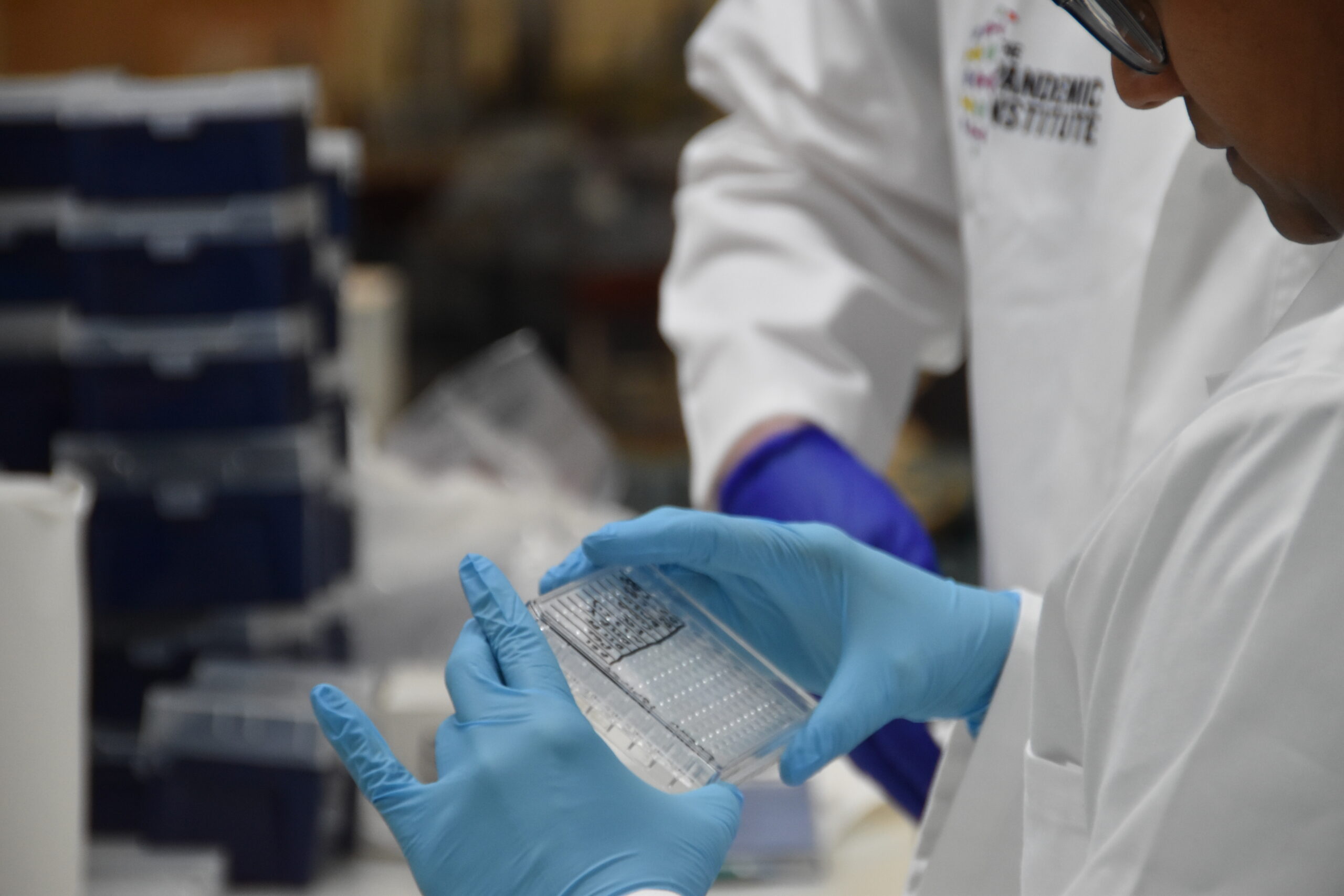
In this recent study conducted, researchers examined blood samples from 25 healthcare workers who had received two doses of the MVA vaccine manufactured by Bavarian Nordic (MVA-BN). The aim was to assess the presence of neutralising antibodies – proteins produced by the immune system that can block virus infection – against both the established clade IIb and the emerging clade Ib.

The findings indicate that vaccination does generate detectable neutralising antibodies against both strains. However, levels were consistently lower for clade Ib compared with clade IIb. While this difference was statistically significant, the absolute difference in antibody levels was modest, and its implications for real-world protection remain unclear. Importantly, there is currently no established threshold of antibody levels that guarantees protection against mpox infection or severe disease.

The study also explored the role of “complement” – a component of the immune system that enhances the ability of antibodies to neutralise pathogens such as viruses. Consistent with previous research, the authors found that complement plays a necessary role in mpox virus neutralisation in laboratory settings. This highlights the complexity of immune protection and the challenges in translating laboratory findings into clinical outcomes.

Postdoctoral Researcher Dr Victoria Sheridan Said: “Although the sample size was small, the study provides valuable early evidence that the MVA-BN vaccine can induce some level of immune response against the newer clade Ib, even in individuals without prior mpox infection. This is particularly relevant for healthcare workers and others at high risk of exposure.”

The findings come at a time when mpox case numbers continue to evolve. According to the latest updates from the UK Health Security Agency, epidemiological trends indicate ongoing transmission with a spike of over 90 cases of the IIb clade reported in the UK this February alone: Mpox outbreak: epidemiological overview, 5 March 2026 – GOV.UK

Overall, the study supports the continued use of the vaccine as part of the public health response to mpox, while also highlighting important gaps in knowledge. Further research is needed to determine how long vaccine-induced immunity lasts, whether additional booster doses may be required, and how antibody responses correlate with real-world protection, particularly against emerging and potentially more severe strains like clade Ib.

Lecturer Dr Krishanthi Subramaniam said: “Vaccination remains one of the most effective tools we have to protect against emerging infectious diseases. Studies like this are essential for understanding how well existing vaccines perform against new variants, and for ensuring that our immunisation strategies continue to provide meaningful protection to those at highest risk.”

As mpox continues to evolve, maintaining robust surveillance, vaccination programmes, and research efforts will be essential to mitigate its impact and protect vulnerable populations.

Read the full article here: Monkeypox Virus Antibodies in Healthy Persons after Vaccination with MVA-BN, United Kingdom – Volume 32, Number 2—February 2026 – Emerging Infectious Diseases journal – CDC