The need for speed – Liverpool’s research-led response to the Andes hantavirus outbreak
August 26, 2026

August 26, 2026
Passing the 100-day milestone since the WHO declared the Andes hantavirus outbreak, global health teams are evaluating the speed of the containment effort. The emergency serves as a vital test case for the G7-backed 100 Days Mission, which aims to reduce the impact of future pandemics by making diagnostics, therapeutics and vaccines available within 100 days. Looking back at this critical response window, The Pandemic Institute reflects on Liverpool’s central role in the UK and international response.
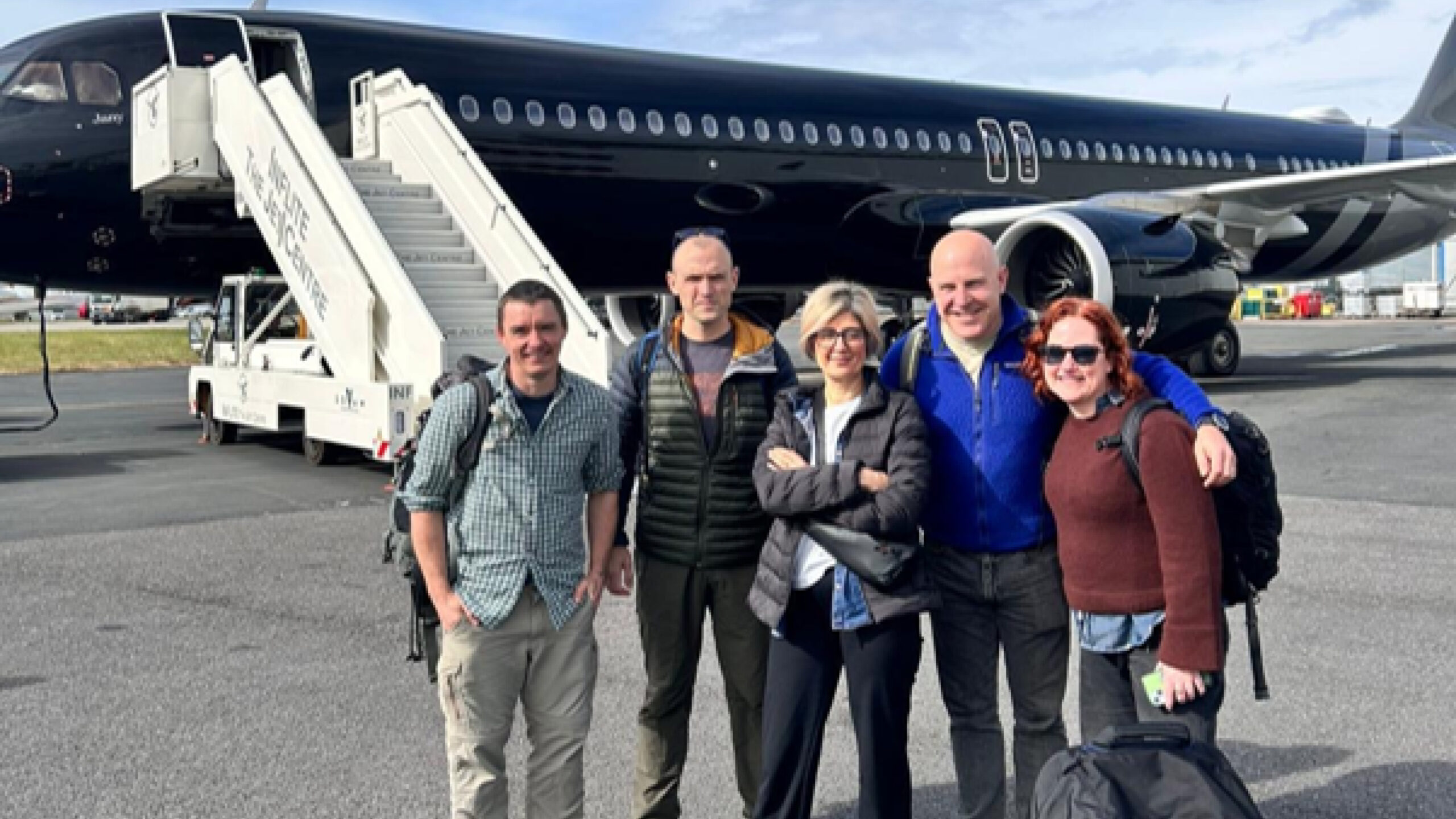
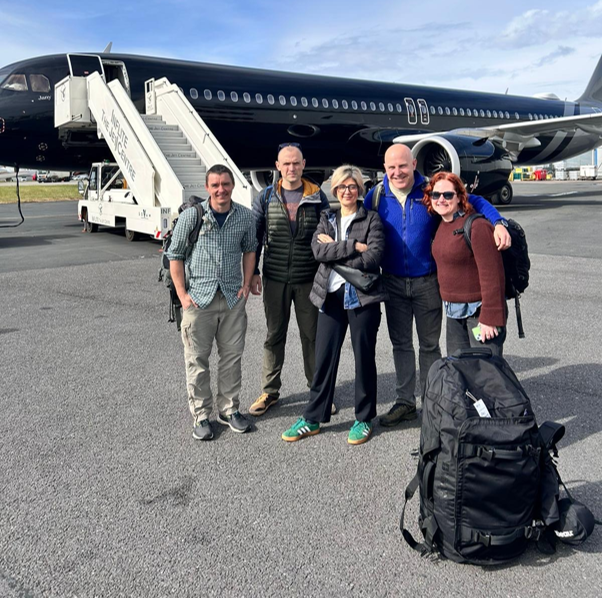
When news of the outbreak emerged, Liverpool was ready. Drawing on more than a decade of outbreak research and national coordination experience, clinical and academic teams across the city rapidly supported the UK response. As the UK Health Security Agency (UKHSA) established its incident response, staff from the NIHR Health Protection Research Unit in Emerging and Zoonotic Infections (HPRU EZI) and The Pandemic Institute helped assess passengers in Tenerife and coordinate their safe repatriation to the quarantine facility at Arrowe Park Hospital. Liverpool School of Tropical Medicine (LSTM’s) Professor Tom Fletcher, clinical lead for the UKHSA task force and a member of The Pandemic Institute, travelled to Tenerife, St Helena and Ascension Island to support the international operation.
Rather than simply hosting a quarantine facility, Liverpool quickly became the hub of a coordinated national and international research response.
Turning preparedness into action
At the heart of that response was rapid activation of the ISARIC Clinical Characterisation Protocol (CCP UK) for Andes hantavirus. Delivered through Liverpool’s HPRU EZI with partners in Edinburgh, Glasgow, Oxford and Imperial, and led by Professor Lance Turtle as Joint Chief Investigator, the protocol enabled research to begin within days of the incident being declared.
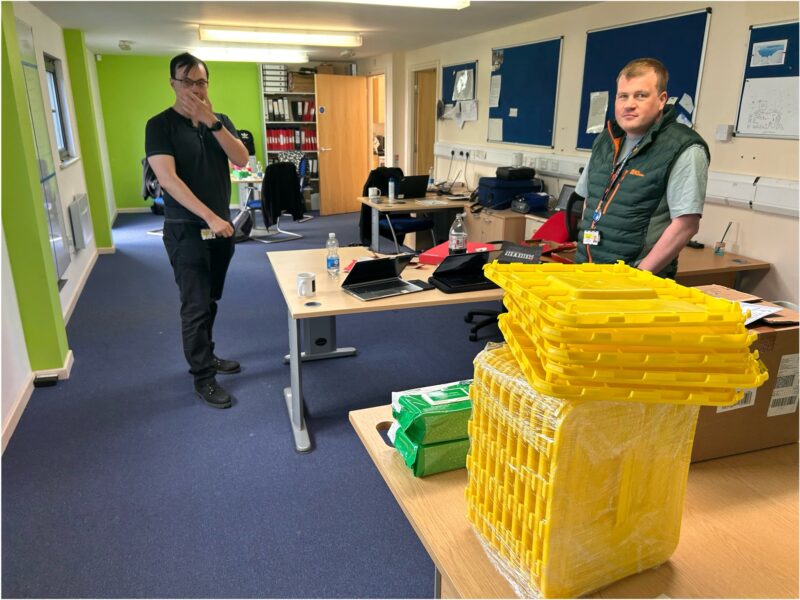
Because the protocol had already been developed and approved, the team rapidly deployed study documents, databases and sampling systems across multiple sites. Thirty-three contacts and cases were recruited across the UK, including 26 at Arrowe Park Hospital, providing detailed clinical information, exposure histories and biological samples.
Rapid-response funding from The Pandemic Institute also supported environmental sampling, investigations around a confirmed case in Spain, and a complementary seroprevalence study among UK contacts to maximise learning from the outbreak.
Delivering evidence in real time
The studies are addressing key questions about disease severity, transmission and the potential for asymptomatic infection or environmental contamination. Samples are being analysed at UKHSA’s Rare and Imported Pathogens Laboratory and the MRC–University of Glasgow Centre for Virus Research using sequencing, serology and immunological profiling. Findings are being shared in near real time with UKHSA, international partners and the World Health Organization to inform the global response.
Linking research and patient care
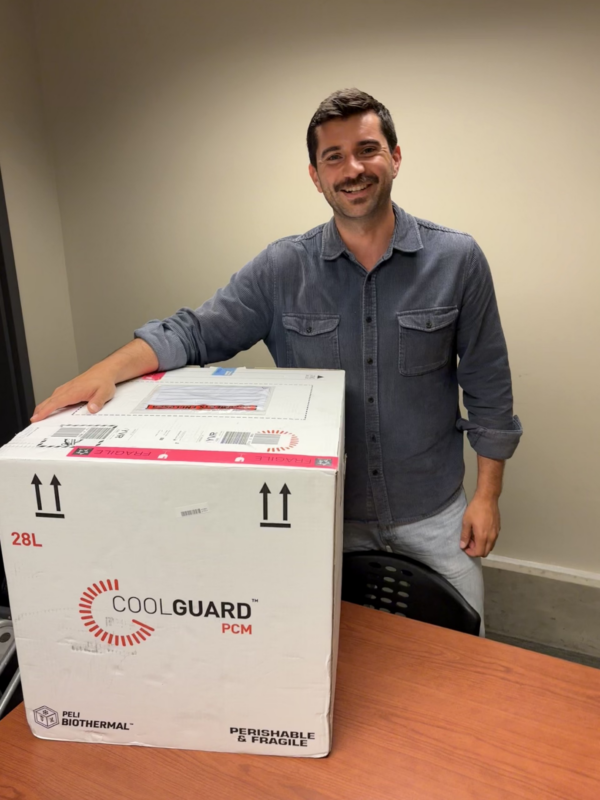
The outbreak also saw the first use of favipiravir, an antiviral medication, in this setting. Liverpool researchers, led by the University of Liverpool’s Professor Saye Khoo and Tom Fletcher, supported its emergency deployment for treatment and post-exposure prophylaxis. Their work built directly on pharmacokinetic and safety data generated through the AGILE clinical trial platform and the UMIT-1 trial, both co-funded by The Pandemic Institute. Within 24 hours of requests from national health authorities, the drug had been supplied to the Netherlands, Spain, France and Canada.
One British patient treated in the Netherlands received favipiravir on an experimental basis, with Liverpool researchers providing expertise in antiviral pharmacology and therapeutic drug monitoring.
Alongside the research programme, multidisciplinary NHS teams across Arrowe Park, the Royal Liverpool University Hospital and partner trusts provided daily assessments, in close coordination with UKHSA, the Foreign, Commonwealth and Development Office and WHO. Behavioural science studies embedded within the response are also examining how people perceive risk and adhere to public health advice during high-uncertainty situations.
The wider response team at The Pandemic Institute included UoL’s Bhagteshwar Singh, Sue Dobson, Rampy Kumar, Olivia Lee, and Sam Tweed, who supported contact follow-up and sampling in the Wirral; LSTM colleagues Matt Riley, Rachel Byrne and Susan Gould coordinated the international deployment of favipiravir, including hand-carrying doses to recipient countries.
“The teamwork across clinical, public health and NHS staff was clear to see first-hand in the Andes hantavirus response,” said Dr Sam Tweed, Clinical Research Fellow at the NIHR HPRU EZI. “Colleagues across The Pandemic Institute came together rapidly to deliver high-quality care, activate research studies and protect the wider community.”
Professor Tom Solomon, Director of The Pandemic Institute and NIHR Health Protection Research Unit in Emerging and Zoonotic Infections added:
“This outbreak has shown why sustained investment in preparedness matters. Because the research partnerships, protocols and expertise were already in place, we were able to move from responding to the incident to generating evidence within days. That evidence is now helping to inform the management of this outbreak internationally and will strengthen our response to future emerging infections.”
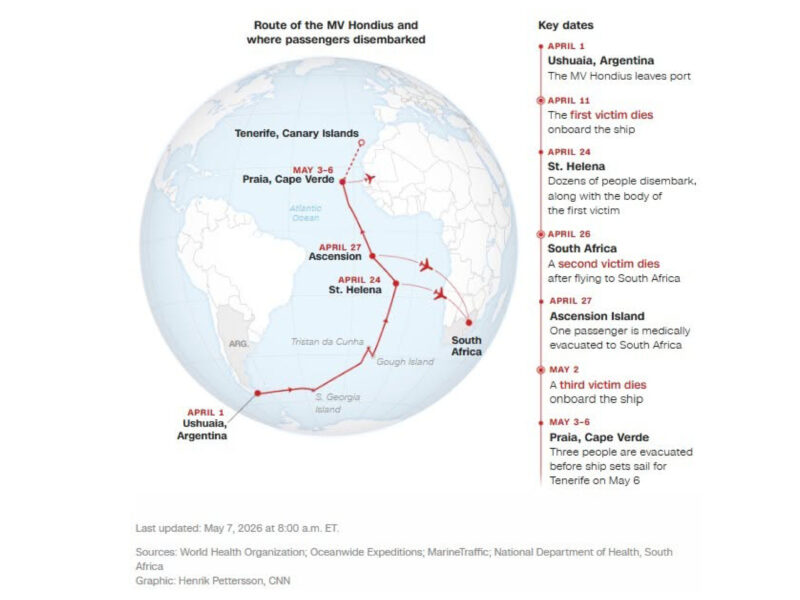
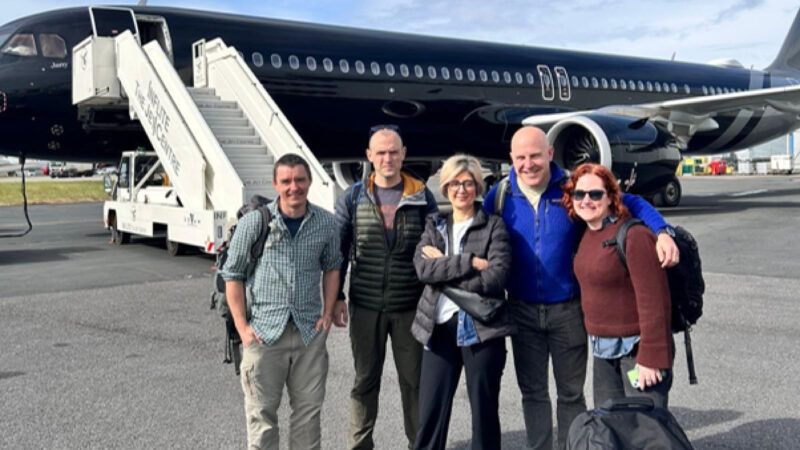
Passing the 100-day milestone since the WHO declared the Andes hantavirus outbreak, global health teams are evaluating the speed of the containment effort. The emergency serves as a vital test case for the G7-backed 100 Days Mission, which aims to reduce the impact of future pandemics by making diagnostics, therapeutics and vaccines available within 100…
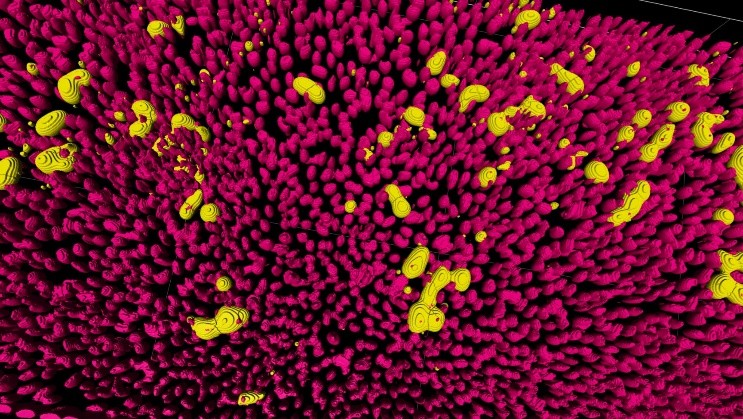
New research has identified key mutations in the Middle East respiratory syndrome coronavirus (MERS-CoV) that may influence how easily the virus infects cells and evades immune responses, offering important insights for pandemic preparedness. The study, supported by funding from The Pandemic Institute and led by researchers at the University of Liverpool plus colleagues from across…
Join our mailing list to hear about our latest news, events and funding opportunities.